Before You Hire an Austin Bartender: 7 Things to Compare Besides Price
· Bar Divas of Austin
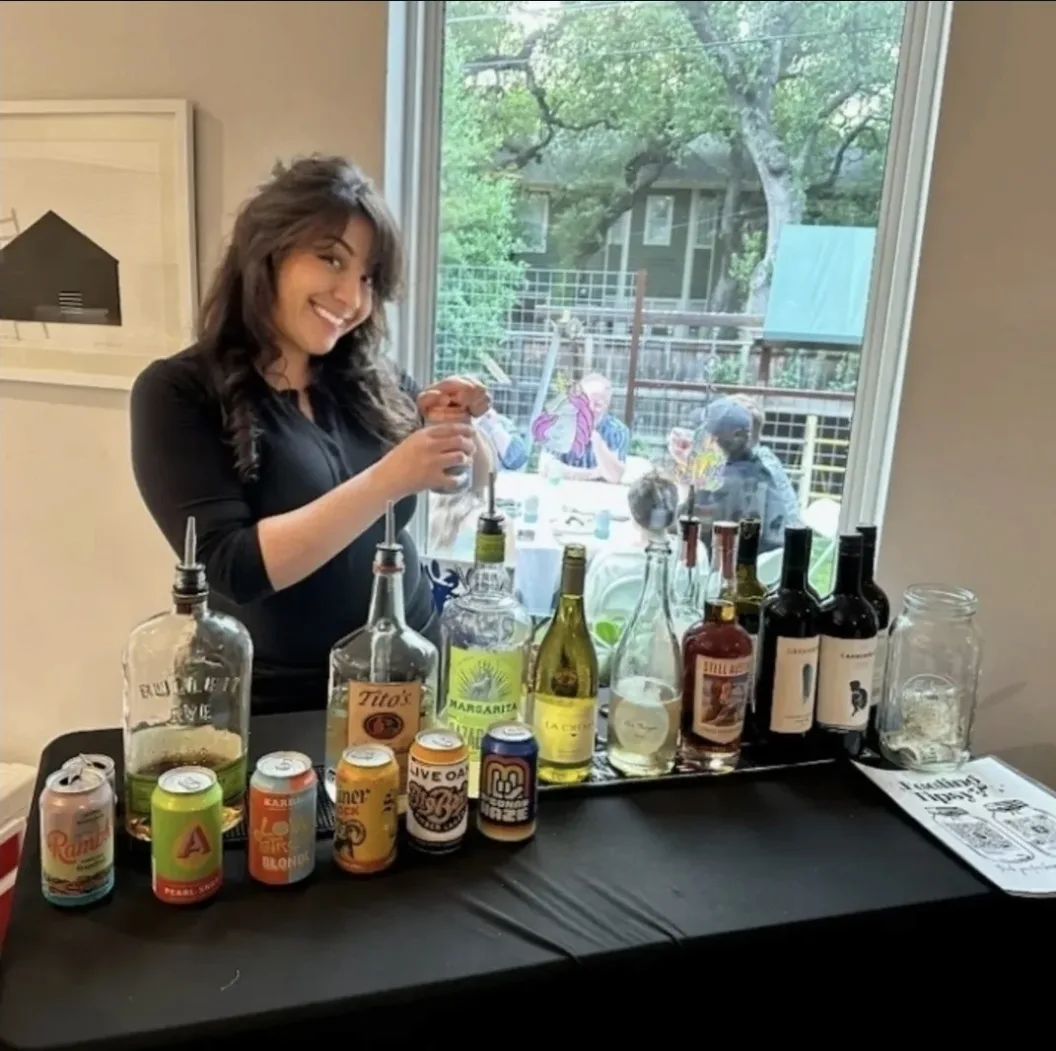
“If two bartending companies quote different prices, are you actually comparing the same service?”
Probably not.
Event budgets matter, and comparing quotes makes sense. But an hourly rate shows only one small part of what an Austin bartending service may be providing.
There is a major difference between hiring someone who knows how to make drinks and hiring a professional company that takes responsibility for the bar experience. Since 2012, Bar Divas of Austin has seen how preparation, communication, presentation, and judgment affect events long before—and long after—the first drink is poured.
The things that make a professional bartender valuable usually aren’t the things you see on an hourly quote.
1. Can They Meet Your Venue’s Insurance Requirements?
Professional venues and corporate clients may require outside vendors to provide insurance documentation. A prepared provider should understand what the venue is requesting, communicate clearly, and be able to supply appropriate documentation when required.
Bar Divas maintains $3 million in general and liquor liability coverage. More importantly, clients should look beyond a simple “yes” when asking whether a company is insured. Coverage depends on the policy and the work being performed.
For the deeper explanation, learn more about responsible bartending, liquor liability, and event insurance.
2. Who Is Actually Showing Up to Your Event?
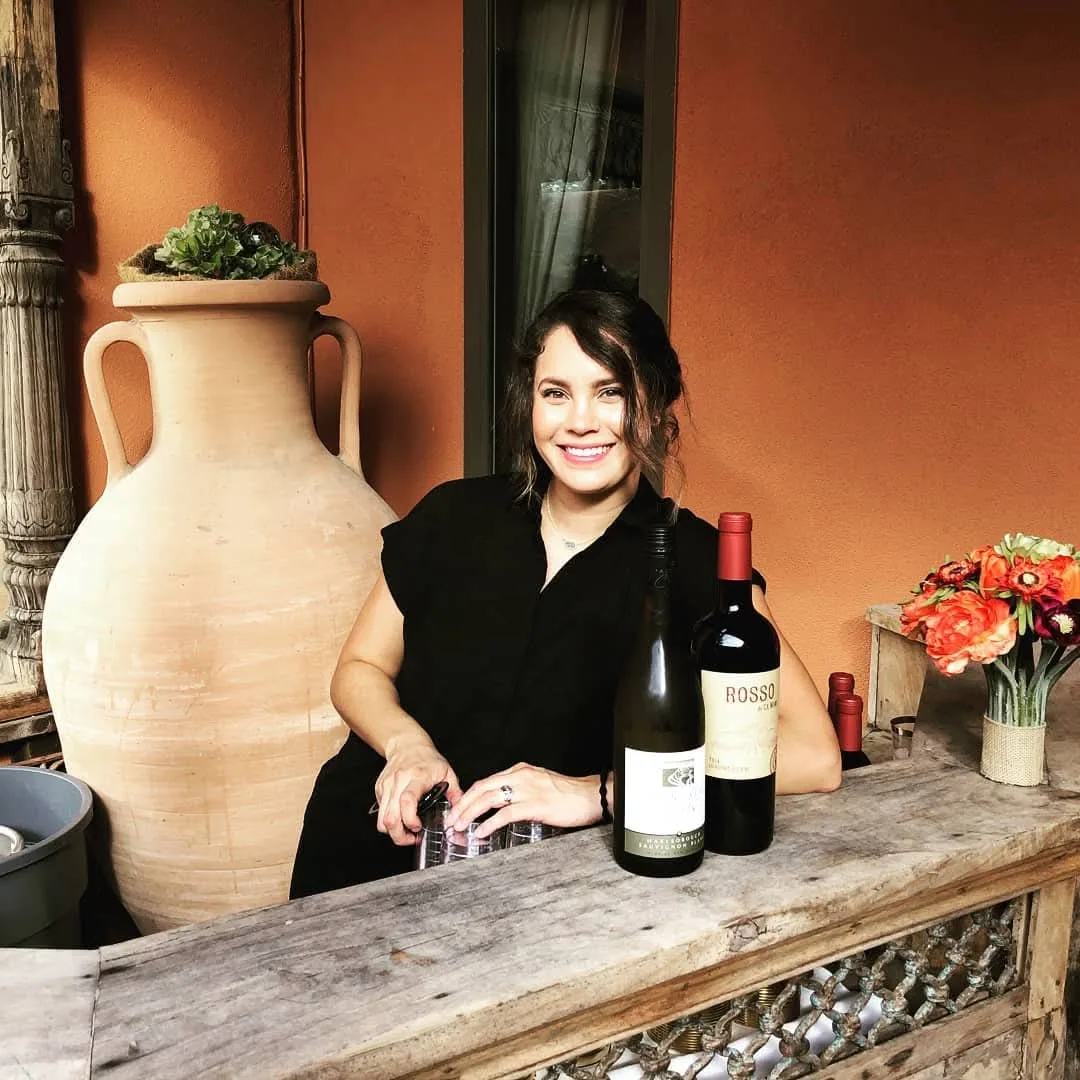
Your bartender may interact with more guests than almost any other vendor. That makes professionalism, presentation, communication, reliability, and behavior part of the service—not optional extras.
At a wedding, the bar team serves family and friends during a meaningful day. At a corporate event, they may represent the event in front of employees, executives, clients, and business partners. In either setting, the person behind the bar should match the level of experience you are hosting.
A useful quote should tell you more than how many labor hours are included. Ask how the company selects, briefs, and supports the people assigned to your event.
3. What Happens Before the First Drink Is Served?
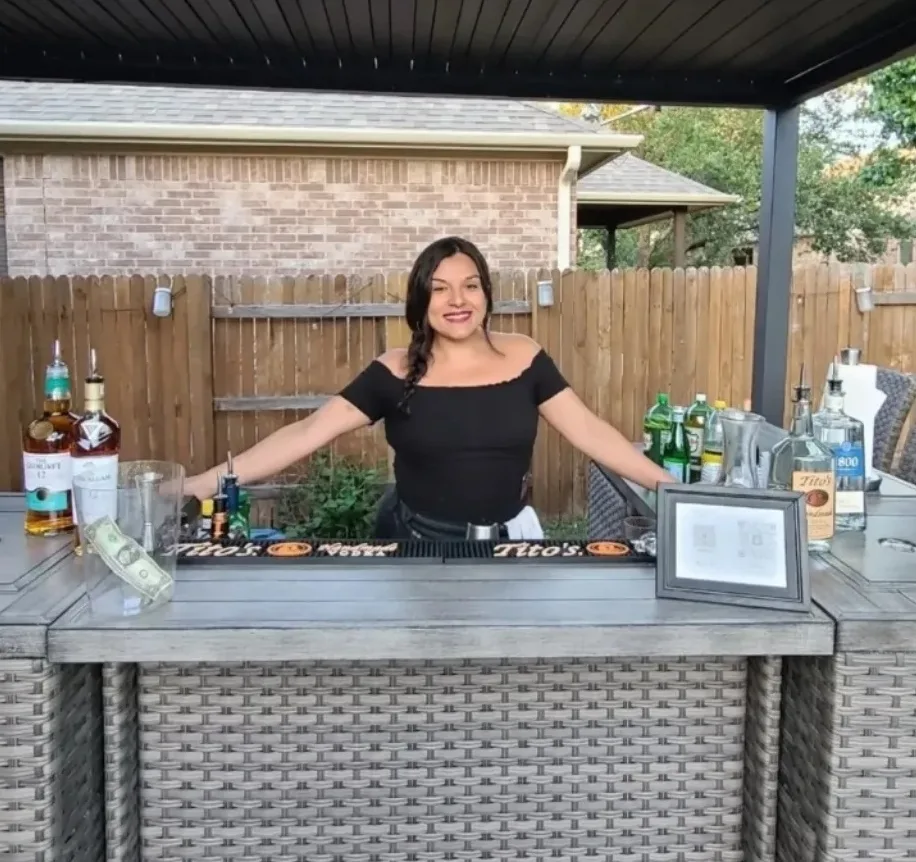
Strong service begins with pre-event communication: understanding the timeline, coordinating with the venue or planner, confirming access, organizing equipment, and planning the bar setup before guests arrive.
For weddings, preparation should be quiet and intentional. Ice, bottles, coolers, and setup activity should not become part of the couple’s vows. That detail rarely appears as a line item, but it reflects whether the provider understands the event around the bar—not just the bar itself.
The scope can also vary considerably. A mobile bartending service may coordinate portable bars, service equipment, ice, cups, mixers, garnishes, and shopping-list guidance. Compare what each proposal actually includes before comparing the totals.
4. Who Manages Responsible Alcohol Service?
Trained bartenders pay attention to guests as well as drinks. They check identification when appropriate, prevent self-service behind the bar, monitor the pace of service, and recognize when service may need to slow or stop.
Bar Divas uses TABC-certified bartenders. Certification is only one part of the standard; the real question is whether the person serving your guests has the judgment and support to make an unpopular decision professionally when needed.
Hosts should be able to enjoy their event rather than personally managing an intoxicated guest. Our separate responsible bartending guide covers the safety and insurance considerations in detail.
5. Who Controls the Bar When the Event Gets Busy?
A bar is an operating environment, not just a drink station. When guest volume increases, someone needs to manage lines, pace, cleanliness, organization, bar access, trash, equipment, and communication with catering, planners, and venue staff.
This is where experienced event staffing becomes visible. A polished team can keep energy high without allowing the service area to become chaotic.
Bar Divas’ No Shots Policy is one example of an operational standard designed to support responsible pacing and protect the event experience. It is not about restricting hospitality; it is about maintaining a bar that remains professional from the first guest through last call.
6. What Happens When Something Doesn’t Go According to Plan?
Real events change. Timelines run late. Guest counts shift. Supplies move faster than expected. A special request appears. Weather changes the layout. A venue asks for an adjustment. Occasionally, a guest creates a difficult situation.
Experience shows in how quietly those problems are absorbed. A professional provider should communicate when the client needs to know something, solve what can be solved, and avoid handing every operational decision back to the host.
Our clients don’t hire us because they want another vendor to supervise. They hire us because they want us to take ownership of our part of the event.
7. What Happens When the Bar Closes?
Professionalism does not stop at last call. Breakdown, cleanup, trash, equipment organization, and communication with venue or event staff are all part of leaving the service area properly.
Ask what the end of service includes. Will equipment be organized? Will the bar area be left professionally? Who coordinates with the venue? A low hourly number may look less attractive when important closing responsibilities are outside the quoted scope.
So, What Are You Really Paying For?
You’re not just hiring someone to pour drinks.
- You’re hiring judgment.
- You’re hiring preparation.
- You’re hiring professional presentation.
- You’re hiring responsible service.
- You’re hiring event control.
- You’re hiring a company prepared to take responsibility for its part of your event.
Ultimately, you’re buying peace of mind.
That does not mean the highest quote is automatically the right choice. It means the best comparison looks at scope, standards, preparation, and accountability—not just the hourly rate.